
TapLook understands that winter can be a particularly sensitive time for older adults, especially when it comes to circulation, mobility, and foot health. One of the most common yet often overlooked concerns during cold weather is cold feet. For seniors, keeping their feet warm is not only about comfort but also about maintaining overall health, preventing pain, and supporting daily independence throughout the winter months.
As people age, the body’s ability to regulate temperature naturally declines. Blood circulation becomes slower, and warm blood does not reach the extremities as efficiently as before. This is why many seniors experience cold feet even indoors. Chronic conditions such as diabetes, arthritis, or poor circulation can make this problem more severe. When feet remain cold for extended periods, seniors may experience stiffness, numbness, or discomfort that affects balance and increases the risk of falls.
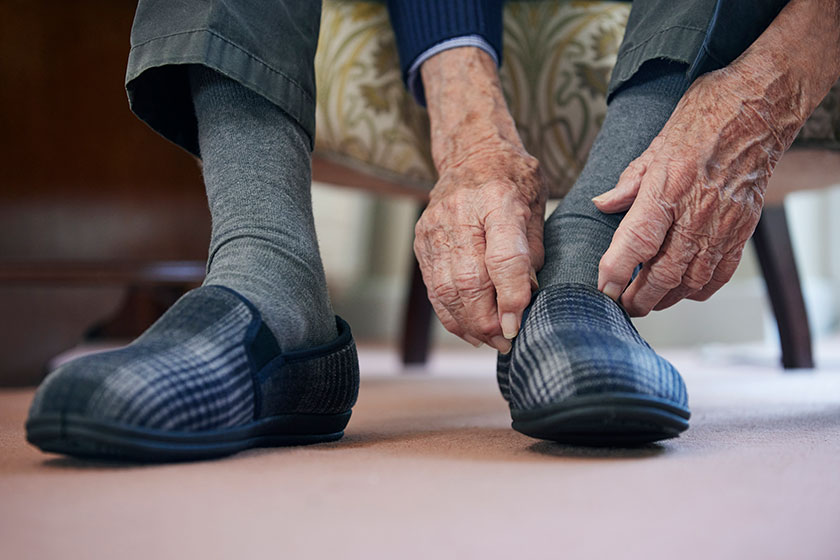
In winter, foot health becomes even more important. Cold temperatures, reduced activity, and dry indoor air can all negatively affect the skin and nails. This is where consistent foot care, including nail care for seniors, plays a quiet but essential role. Proper nail trimming and routine foot maintenance help reduce pressure, discomfort, and circulation issues that may worsen during colder months. When nails are too long or improperly trimmed, they can cause pain inside shoes, limit movement, and indirectly contribute to cold sensations in the feet.
Another factor that contributes to cold feet is the natural thinning of skin and loss of protective fat padding on the soles of the feet as people age. This makes seniors more sensitive to cold surfaces such as tile, hardwood, or concrete floors. Wearing warm, breathable socks made from wool or thermal cotton helps retain heat while allowing moisture to escape. Moisture is an important consideration, as damp feet lose heat much faster than dry ones. Socks that are too tight should be avoided, as they can restrict blood flow and make feet feel colder.
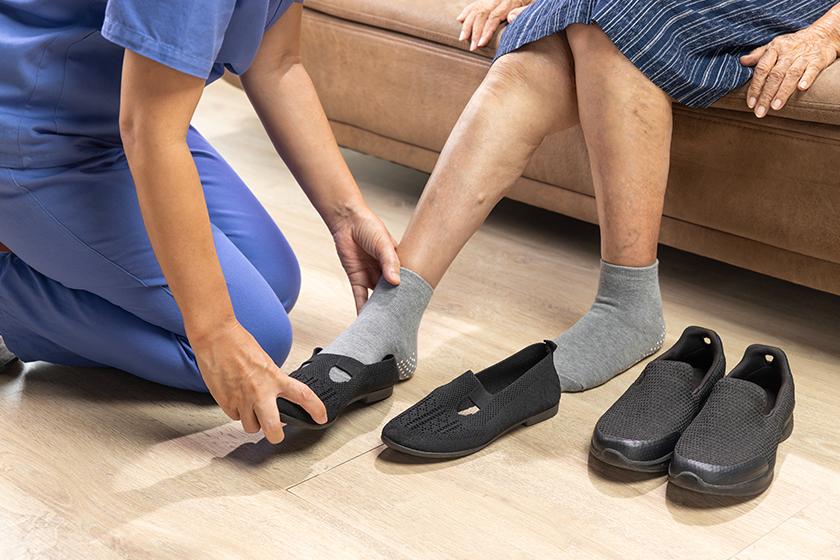
Indoor footwear is equally important during winter. Walking barefoot or wearing thin slippers on cold floors quickly draws heat away from the feet. Supportive, insulated indoor shoes or slippers help create a warm barrier between the feet and the ground while also improving stability. For seniors, feeling secure while walking indoors is just as important as staying warm.
Foot hygiene also plays a major role in winter comfort. Clean, dry feet are better able to maintain warmth. After bathing, feet should be dried thoroughly, especially between the toes, to prevent moisture buildup. Applying a gentle moisturizer can help protect the skin from cracking due to dry winter air. Healthy skin retains warmth better and reduces discomfort. Alongside daily hygiene, regular professional nail care for seniors helps ensure nails are trimmed safely, preventing ingrown nails, skin irritation, and pressure points that can make feet feel sore and cold.
Movement is another key element in keeping seniors’ feet warm. During winter, many older adults become less active, spending longer periods sitting indoors. This reduced movement slows circulation even further. Gentle daily activity, such as walking around the home, stretching, or simple seated leg exercises, helps stimulate blood flow and bring warmth back to the feet. Even small movements, like wiggling toes or rotating ankles, can make a noticeable difference when done regularly.
For seniors living with diabetes or circulation-related conditions, winter foot care requires extra attention. Reduced sensation in the feet means cold, pressure, or small injuries may go unnoticed. In these cases, routine nail care for seniors provided by trained professionals can support overall foot health by allowing early detection of potential issues. Proper nail maintenance, combined with careful monitoring of skin condition, helps prevent complications that are more likely to occur in winter.
Warm foot care routines can also improve comfort and relaxation. A short soak in warm water can help ease stiffness and improve circulation, especially in the evening. Water should be warm, not hot, and seniors with reduced sensation should always check the temperature carefully. After soaking, drying the feet well and wearing clean, warm socks helps lock in heat. These small routines can significantly improve comfort during colder days and nights.
Nighttime is another moment when seniors often experience cold feet. Cold feet can disrupt sleep and reduce overall rest quality. Wearing breathable socks to bed or using additional bedding around the legs can help maintain warmth without overheating. Maintaining a warm and comfortable sleeping environment supports better rest and overall well-being during winter.
Footwear for outdoor use also matters. Shoes should provide insulation, protect against moisture, and allow enough space for warm socks without being tight. Tight footwear restricts circulation and can make feet colder. Winter shoes with good traction reduce the risk of slipping on icy surfaces, helping seniors stay safe and confident when going outside.
Regular attention to foot and nail health becomes even more valuable during winter. Changes in skin color, persistent numbness, pain, or slow-healing areas should never be ignored. Routine foot checks and consistent nail care for seniors help maintain comfort, reduce risk, and support long-term mobility. For many older adults, receiving nail and foot care in a warm, familiar environment also provides reassurance and peace of mind during the colder months.
In conclusion, keeping seniors’ feet warm during winter is a vital part of healthy aging. It involves more than just wearing warm socks; it requires thoughtful daily habits, proper footwear, gentle movement, good hygiene, and consistent foot and nail care. By paying attention to warmth and comfort, including regular nail care, seniors can reduce discomfort, improve circulation, and enjoy a safer, more comfortable winter season.
TapLook Canada


Bài viết liên quan: